Korean Meals
Bibimbap
비빔밥 · bibim “mixing” + bap “rice” = “mixed rice”
A bowl of rice topped with separately seasoned vegetables, mixed just before eating.
See the list- Spice
- Mild
- Format
- Individual portion
- Beginner-friendly
- 3/3
Editorial scale. Actual heat varies from one kitchen to another. Editorial assessment.
What it is
What makes a bibimbap is not the mixing but everything that precedes it: each vegetable — spinach, courgette, carrot, bean sprout, bracken — is cooked and dressed on its own, then laid down without touching its neighbours. Meat, an egg and a spoonful of gochujang go on top. The dish is generally traced back to meals that gathered several separately prepared items into a single bowl.
Mix hard and mix for longer than feels necessary, until the rice is a uniform colour; a half-mixed bibimbap does not taste like the dish it is meant to be. Add the gochujang gradually, tasting, rather than all of it at once. In the stone bowl version, leave the rice to catch on the bottom first, so there is a grilled crust under the mix.
Served with
gochujang · clear soup · banchan
Tip — Ask for the chilli paste on the side if anyone at the table is sensitive; nothing else in the bowl carries heat.
Main ingredients — Rice · Vegetables · Egg
We don't list allergens: recipes vary from one restaurant to another. For any allergy or dietary restriction, ask the restaurant directly.
Where to eat it in Paris· 73 addresses

MA-SHI-TA
14eKorean Meals · Galbi · Japchae
- Date night
- Drinks
- Special occasion
4.8
Soon Grill Le Marais 순그릴 마레
3eKorean BBQ · Samgyeopsal · Galbi
- Date night
- With friends
- Special occasion
4.5
Sam Chic
2eKorean BBQ · Samgyeopsal · Bibimbap
- Date night
- With friends
- Special occasion
4.4
Sambuja
9eBunsik (Street Food) · Gukbap · Sundae
- Solo dining
- Family
- Hangover cure
4.4
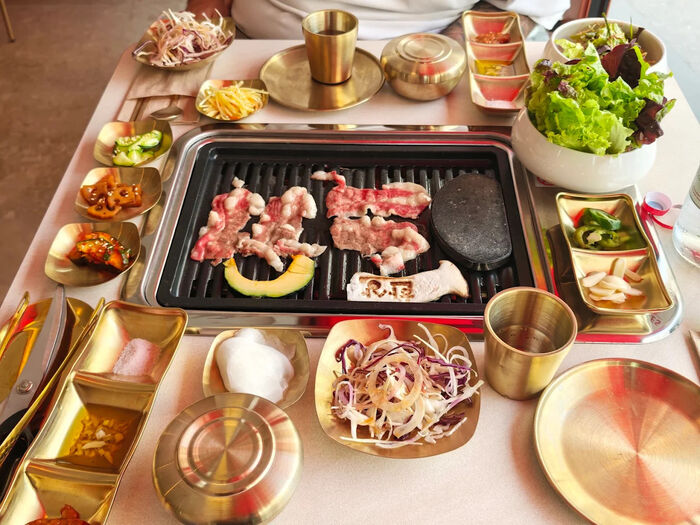
Hansang
15eKorean Meals · Bibimbap · Japchae
- With friends
- Family
- Team dinner
4.9
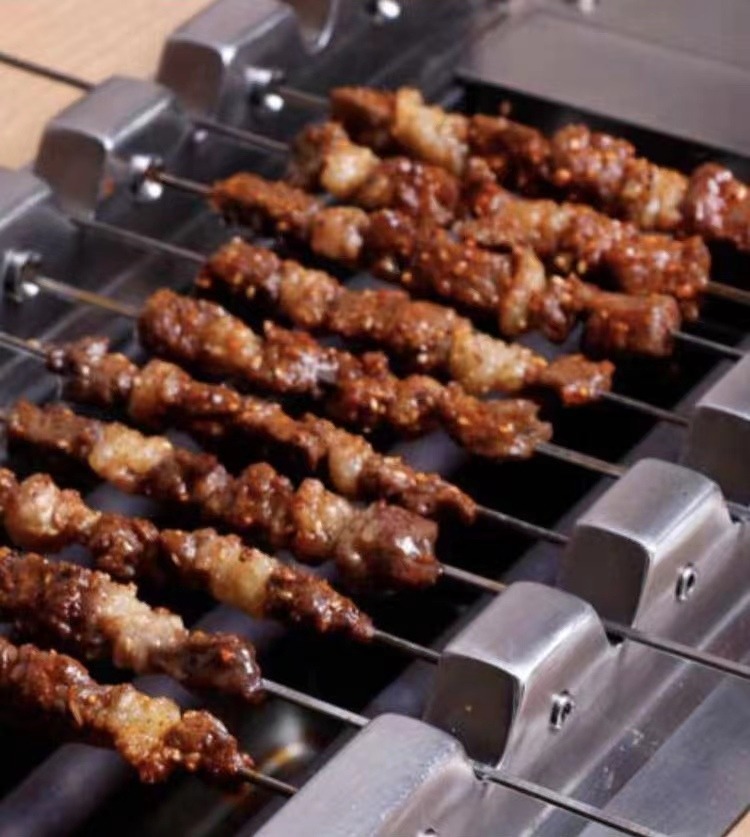
Kochi 꼬치 串
15eKorean Meals · Samgyeopsal · Bibimbap
- With friends
- Drinks
- Korean speaking
4.9

abex (a flickr user) · CC BY-SA 2.0 · Wikimedia Commons
K-RESTO.